

Starting a new skincare routine can be exciting, especially when it is tailored specifically for your skin. But for many people, the first few weeks of using prescription-strength skincare may come with side effects. If your skin feels irritated, dry, or suddenly breaks out, it is completely understandable to feel concerned.
At MiQuest, we believe in being transparent about what to expect. Our goal is to help you understand which side effects are completely normal, which ones may need an adjustment, and how we support you through every stage of your skincare journey.
This guide will walk you through the most common side effects, how long they usually last, and what to do if your skin becomes uncomfortable.
Understanding the Adjustment Phase
Prescription skincare works differently from over-the-counter products. Active ingredients like tretinoin, azelaic acid, or clindamycin are clinically proven to treat conditions such as acne, pigmentation, and texture issues. However, they also speed up the skin's natural renewal process.
As your skin adjusts, you may notice changes in texture, tone, or sensitivity. This is often referred to as the adjustment phase, and it can last anywhere from two to six weeks.
Common side effects during this time include:
- Mild redness or sensitivity
- Dryness, flaking, or peeling
- A tight or uncomfortable feeling
- Breakouts in new areas (also known as purging)
These effects are temporary and are often a sign that your skin is adapting to active ingredients that are working below the surface.

What Side Effects Are Considered Normal?
Here is a simple breakdown of what you might experience during the first few weeks of starting your MiQuest formula:
- Mild redness or warmth especially around active areas
- Dry or flaky skin happens as the skin renews
- Breakouts or purging, particularly with acne treatments
- Tingling or tightness, usually mild and short-lived
- Slight sensitivity, particularly to sun or other products
Everyone’s skin is different. Some users may experience no side effects at all, while others may notice a few changes. In either case, this does not mean your treatment is not working. It simply means your skin is adjusting.
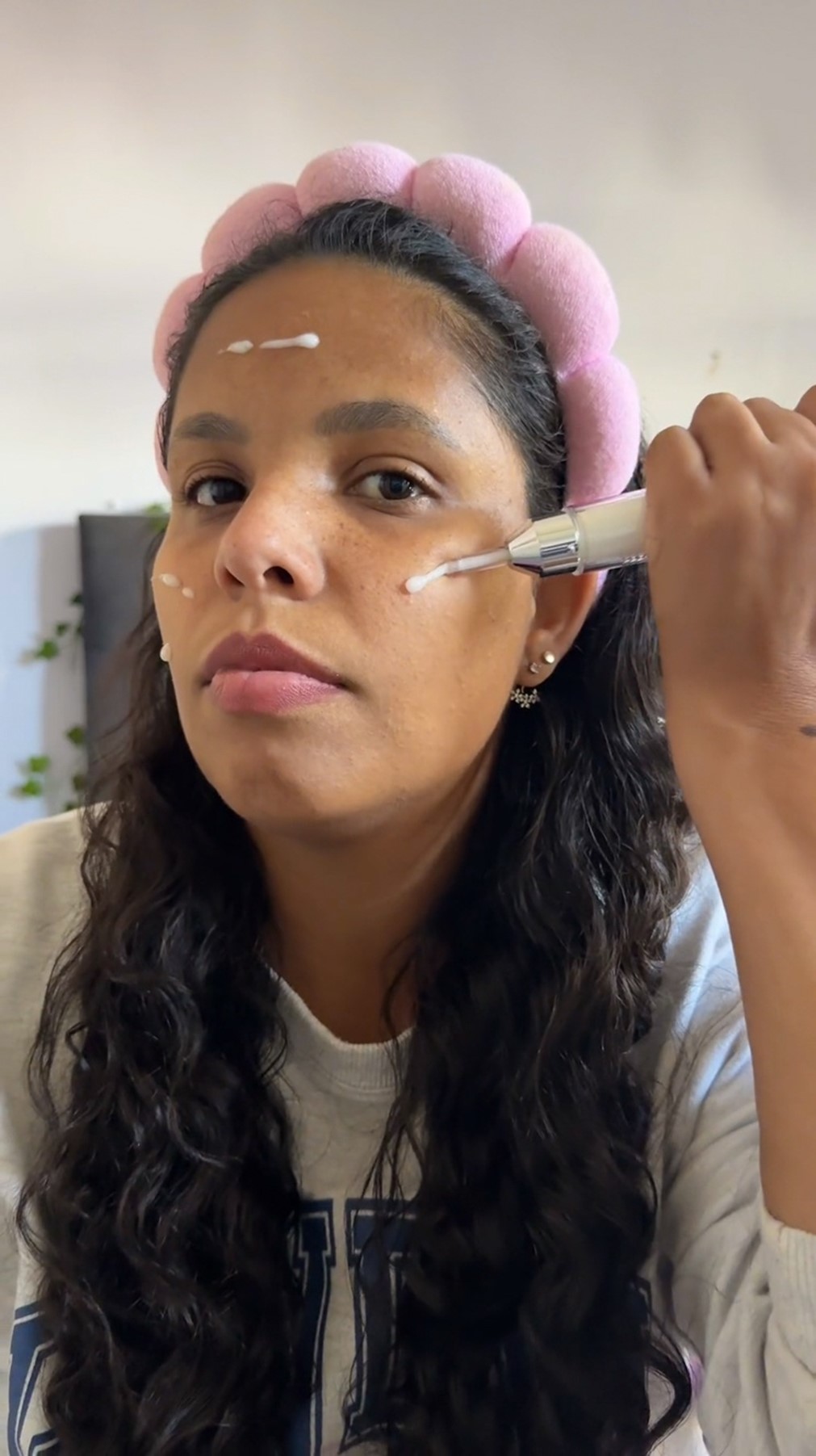
The Difference Between Purging and Breaking Out
One of the most common questions we receive is how to tell the difference between purging and a breakout.
Purging happens when active ingredients increase your skin cell turnover. This pushes blockages to the surface faster, which may temporarily appear as new breakouts. It is part of the clearing process.
Purging typically:
- Occurs in areas where you already get breakouts
- Starts within the first one to three weeks
- Improves within four to six weeks
Breakouts, on the other hand, may appear in new areas or worsen over time without improving. If this happens beyond the initial adjustment period, it may be time to review your formula.

When to Contact Us
Some reactions are not part of the normal adjustment phase. If you experience any of the following, we recommend checking in with our team:
- Redness that becomes severe or spreads beyond treated areas
- Burning, itching, or stinging that does not improve
- Peeling or flaking that disrupts daily comfort
- Swelling, hives, or unusual bumps
- Breakouts in areas where you do not normally experience acne
- Any new or unexpected reaction that worries you
These symptoms do not mean your skincare journey needs to stop. It simply means your formula may need to be adjusted to better suit your current skin needs.
How MiQuest Supports You
MiQuest is built to provide safe, effective skincare that adapts with your skin over time. Your prescription is:
- Designed and reviewed by dermatology clinicians, pharmacists, and formulation scientists
- Certified data-driven advance technology for precision and lasting results
- Continuously monitored based on your feedback and skin progress
- Powerful, clinically proven prescription ingredients
We believe in ongoing care. That is why every MiQuest plan includes regular check-ins and the opportunity to request formula adjustments. Whether your skin feels a little too dry or is reacting more strongly than expected, we are here to help.
Our AI technology also tracks how your skin is responding over time and flags patterns that may indicate the need for a tweak. These suggestions are always reviewed by a medical professional before changes are made.

Tips for Managing Side Effects at Home
While our team handles the clinical side, there are things you can do at home to help your skin through the adjustment phase:
- Moisturise regularly
Use a nourishing, fragrance-free moisturiser to support your skin barrier and reduce flakiness.
- Use your treatment as directed
Follow the instructions from your prescriber. If your treatment plan includes using your formula every other night to start, stick with that approach.
- Avoid other strong actives
Try not to add products with ingredients like retinol, salicylic acid, or glycolic acid unless consulting with the MiQuest team.
- Apply sunscreen daily
Active ingredients may increase sun sensitivity, so consistent sun protection is essential – yes even in winter!
- Stay consistent and patient
It can take time for your skin to adjust and improve. Stick with your routine and avoid switching products too soon.
Final Thoughts
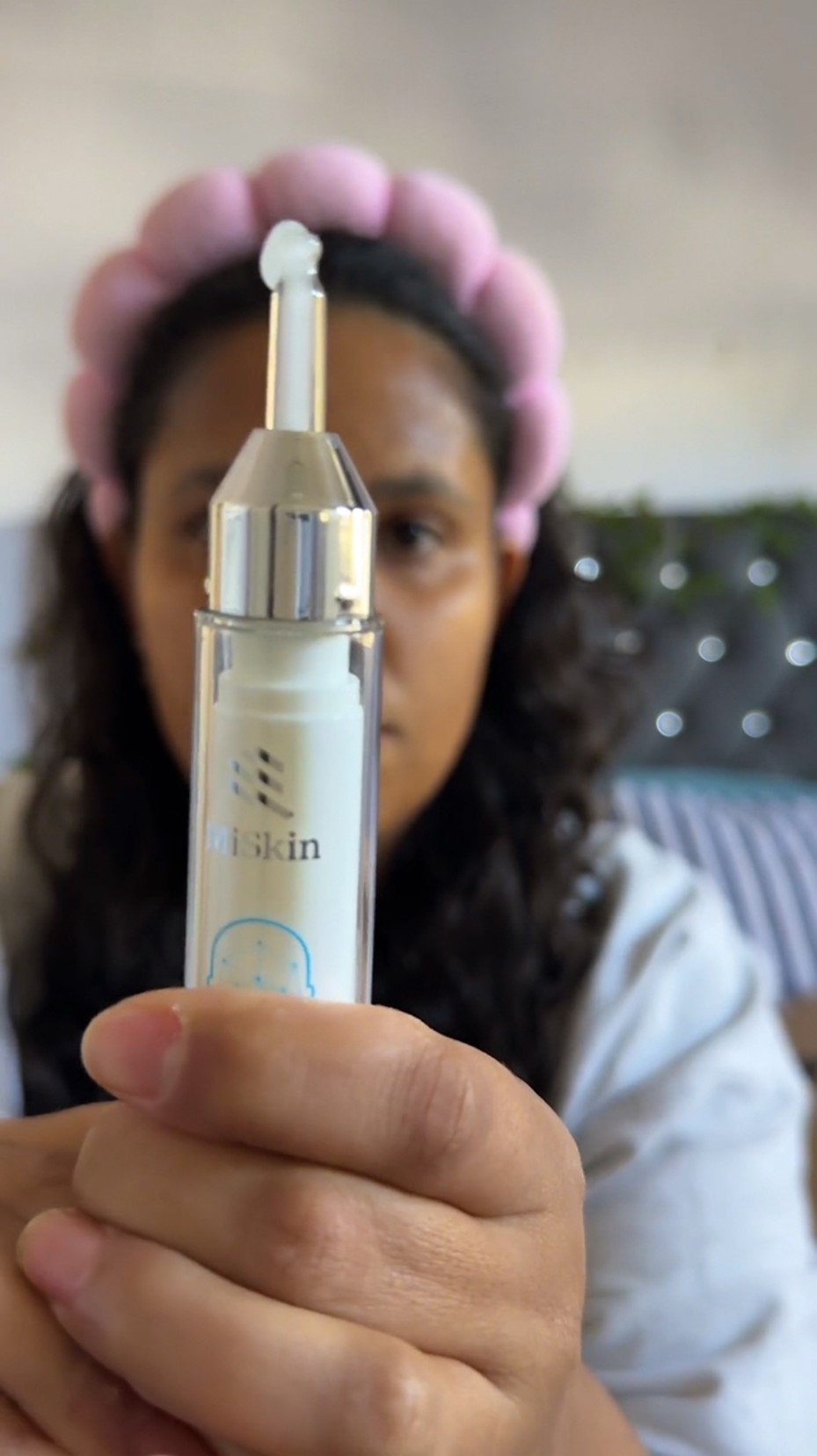
It is completely normal to feel unsure when your skin starts acting differently. But the truth is, side effects are often part of the process that leads to real, visible results.
With MiQuest, you are never on your own. You have access to expert support, monthly reviews, and a treatment plan that adapts as your skin changes. Whether you're seeing mild redness or something more persistent, we’re here to guide you through it.
If you are unsure about a side effect or want to check in on your formula, please reach out to your MiQuest prescriber through your dashboard. We will assess your progress and make any necessary adjustments to ensure your skin gets the care it needs.


%20(2).jpg)






This is Intelligent Skincare, Personalised by Experts, Perfected by Data.


